

 Sep 14, 2026 · Applications & Industries Large Marine Gearbox Bearings Wholesale Supplier Prevent premature failures in large marine gearboxes by mastering bearing selection and authenticity verification. Learn why correct internal clearance matters more than load ratings…


Angular Contact Ball Bearings
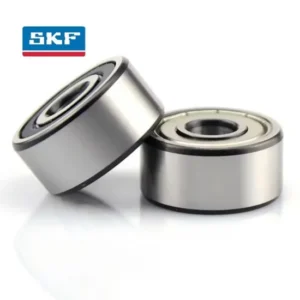
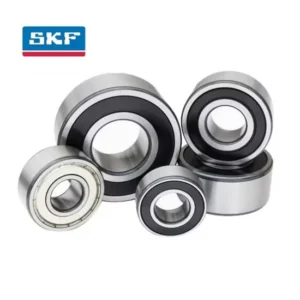
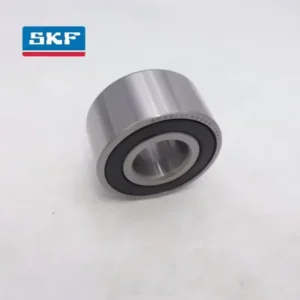
SKF 3309 a-Nr Double Row Angular Contact Ball Bearing for Automotive Transmission
BrandSKF
SKF 3309 a-Nr Double Row Angular Contact Ball Bearing — designed for combined radial and axial loads in automotive transmission systems, built with bearing steel construction and available in steel, copper, or nylon cage configurations.
- Double row arrangement delivers enhanced rigidity and load distribution
- Supports oil and grease lubrication for flexible maintenance schedules
Scan the QR code via the official SKF app to verify product authenticity and access full batch traceability documentation.
- Suffix and executionExact SKF reference and required suffix confirmed.
- Substitutes markedListed separately. Technical changes need your approval.
- Written quotePrice, stock, lead time, validity and terms in writing.
- Whole-rebuild scopeOne enquiry can cover several bearings in one assembly.
Product Details
About SKF 3309 a-Nr Double Row Angular Contact Ball Bearing for Automotive Transmission
Traceable Batch Origins — Every SKF 3309 a-Nr double row angular contact ball bearing we dispatch includes verifiable factory lot documentation to guarantee authentic metallurgy.
Technical Specifications
| Parameter | Value |
|---|---|
| Designation | SKF 3309 a-Nr |
| Bearing Type | Double Row Angular Contact Ball Bearing |
| Contact Angle | 30° |
| Aligning | Non-Aligning Bearing |
| Separated | Separated |
| Rows Number | Double |
| Load Direction | Radial Bearing |
| Material | Bearing Steel |
| Precision Rating | P0, P2, P4, P5, P6 |
| Cage Material | Steel Cage, Copper Cage, Nylon Cage |
| Lubrication | Oil, Grease |
| Origin | Jiangsu, China |
Application Suitability
| Industry | Typical Applications |
|---|---|
| Automotive | Transmission gearboxes and differential assemblies |
| Industrial Machinery | Machine tool spindles and high-speed pump shafts |
| Automation | Robotics joint actuators and precision equipment drives |
Why Cage Selection Dictates Survival for the SKF 3309 a-Nr double row angular contact ball bearing
The wrong cage material turns a precision component into gearbox shrapnel.
During my early failure analysis days traveling between Hannover and Chicago, I inspected a shattered bearing in a high-speed transmission. The root cause was not the load, but a nylon cage used where a machined brass cage was required for thermal stability. Selecting the correct SKF 3309 a-Nr double row angular contact ball bearing demands strict alignment between cage material, lubrication method, and operating temperature to prevent catastrophic seizure. When procurement teams overlook these subtle material distinctions, the resulting friction heat rapidly degrades the polymer structure, leading to sudden cage collapse. This failure mode not only destroys the bearing itself but also sends metallic debris throughout the entire lubrication circuit, compromising adjacent gears and shafts. Understanding the exact operational environment is therefore non-negotiable for reliable drivetrain engineering.
Matching 30-Degree Contact Angles to Transmission Loads
Automotive gearboxes and machine tool spindles subject rotating components to complex, multidirectional loading profiles. The 30° contact angle engineered into this SKF 3309 a-Nr double row angular contact ball bearing optimizes the distribution of combined radial and axial forces across the dual rows of rolling elements. This specific geometric configuration enhances axial rigidity, which is critical when shafts experience sudden thrust reversals during gear shifts or directional changes. By sourcing genuine variants with verified precision classes, we ensure that procurement teams receive components capable of maintaining strict shaft alignment under intense dynamic loads. The dual-row design inherently provides a wider support base compared to single-row alternatives, effectively minimizing shaft deflection and preserving the precise meshing of transmission gears even under peak torque conditions.
Managing Thermal Expansion and Lubrication Starvation
High-speed pump spindles and automotive transmission shafts generate substantial friction heat during continuous operation. When internal temperatures rise, the thermal expansion of the shaft and housing alters the internal clearance, potentially causing dangerous preload spikes if the initial clearance class is incorrectly specified. Furthermore, the choice between oil and grease lubrication fundamentally dictates the required cage design and internal geometry. High-speed oil mist systems favor lightweight cages that minimize churning losses, while grease-packed environments need designs that prevent lubricant starvation in the contact zones. Ignoring these thermal and tribological variables accelerates raceway spalling and drastically reduces the operational lifespan of the assembly, making precise thermal modeling an essential step in the selection process.
Decoding Precision Grades and Cage Configurations
The availability of P0 through P2 precision ratings allows design engineers to match the exact rotational accuracy required for high-end machine tool spindles versus general automotive gearboxes. Higher precision grades minimize radial runout and axial vibration at elevated RPMs, ensuring a smoother operational profile and reduced acoustic emissions. Additionally, the choice between steel, copper, and nylon cages directly impacts high-speed durability and thermal management. Copper cages offer superior thermal conductivity and structural strength under heavy vibration and high temperatures, efficiently transferring heat away from the rolling elements. Conversely, nylon cages reduce overall weight and rotational inertia, making them ideal for moderate-temperature, grease-lubricated assemblies where minimizing friction and operational noise are the primary engineering objectives.
The Cascading Financial Impact of Suffix Mismatches
Overlooking specific design suffixes or internal clearance codes during the procurement phase inevitably leads to unplanned downtime and premature mechanical failure. Installing a component with an incompatible internal clearance or incorrect cage material results in rapid thermal degradation, often causing catastrophic damage to adjacent gears, seals, and shafts. Such failures immediately void equipment warranties and trigger expensive production line stoppages that far exceed the initial cost of the component. The financial burden of emergency air freight, overtime maintenance labor, and lost production revenue proves that exact specification matching is far more cost-effective than reactive replacements. Rigorous cross-referencing and technical validation before shipment are therefore critical safeguards for industrial procurement.
Securing Authentic Traceability for Critical Drivetrain Components
We eliminate the risk of counterfeit metallurgy by providing complete batch traceability for every single unit shipped from our facilities. Our massive spot inventory covers the full spectrum of precision grades and cage materials, ensuring you never have to compromise on the exact configuration needed for high-speed transmissions or precision spindles. We carefully cross-reference OEM part numbers to verify suffix compatibility, preventing the costly installation errors I witnessed early in my career. Furthermore, our flexible consolidation shipping allows mixed-brand project orders to arrive simultaneously, significantly simplifying your MRO logistics and reducing administrative overhead. Our technical team also provides post-installation failure analysis support, helping your maintenance crew identify root causes and optimize future selection strategies for demanding applications.
Documentation & Authenticity
- Original manufacturer batch traceability certificates confirming the exact production lot for this specific precision grade.
- Dimensional and running accuracy inspection reports verifying P2 or P4 tolerances before dispatch.
- Material test certificates validating the bearing steel metallurgy and cage composition.
- Official QR code verification documentation for authenticating the origin of the component.
Storage, Handling & Mounting
- Store the separated bearing components in their original anti-corrosion packaging until the exact moment of assembly to prevent raceway oxidation.
- Use clean, lint-free gloves when handling the precision-graded rings to avoid acidic skin contact that compromises the bearing steel.
- Apply induction heating strictly within recommended thermal limits when mounting the inner ring onto transmission shafts to preserve the 30° contact angle geometry.
- Ensure the selected copper or nylon cage is compatible with the specific oil or grease lubricant applied during the initial packing phase.
Required Parameters for Technical Validation
To ensure the selected configuration perfectly matches your specific drivetrain or spindle requirements, please share the detailed radial and axial load profiles, operating speeds, and expected thermal conditions. Providing the original OEM equipment number or the exact housing and shaft dimensions allows our engineering team to perform a comprehensive cross-reference check. This operational data enables us to verify the optimal clearance class, precision grade, and cage material, ensuring reliable performance in your specific application. By supplying these technical parameters upfront, you receive a precise validation report that confirms the component's suitability, mitigating the risk of field failures and ensuring reliable integration into your mechanical assembly.
Frequently Asked Questions
Q: How can I verify the authenticity and original batch of the received components?
A: We supply original manufacturer batch traceability certificates and official QR verification documentation with every shipment. You can scan the provided codes using the manufacturer's official application to confirm the metallurgy and production origin, ensuring complete transparency for your quality assurance records.
Q: What do the unverified suffixes in the designation imply for installation?
A: The specific suffixes require direct manufacturer catalog confirmation to determine exact design modifications, such as snap ring grooves or specialized internal clearances. We always cross-reference these identifiers with official technical documentation before dispatch to guarantee the physical dimensions match your housing and shaft requirements perfectly.
Q: How do different precision grades affect automotive transmission selection?
A: Standard grades suffice for general gear shafts, while higher precision classes minimize runout and vibration in high-speed or heavily loaded differential assemblies. Selecting the appropriate tolerance ensures optimal load distribution across the rolling elements, extending the operational lifespan of the entire drivetrain system under dynamic shifting conditions.
Q: Which cage material is optimal for high-speed oil lubrication environments?
A: Machined copper cages generally provide superior thermal conductivity and structural integrity under high-speed oil mist lubrication, effectively dissipating friction heat. Conversely, lightweight nylon cages are often preferred for moderate-speed, grease-lubricated applications where reducing rotational inertia and minimizing operational noise are the primary engineering objectives.
Q: What precautions are necessary when mounting double row angular contact bearings?
A: It is crucial to apply uniform axial force or use induction heating for the inner ring to avoid damaging the rolling elements and raceways. Maintaining the correct mounting direction relative to the thrust load and ensuring precise shaft tolerances preserves the designed contact angle and prevents premature internal clearance loss.
Shaft positions to confirm
Input · Intermediate · Output
Pre-Quote Check
Three Points to Confirm for Your Rebuild
Shaft position, paired or set use, and the complete assembly decide whether a bearing fits the rebuild. Confirm all three to get the right execution the first time.
-
Shaft position
Mark each bearing as input, intermediate or output shaft, so the load requirement of every position is clear.
-
Paired or set use
State whether the bearing runs paired or in a set, and give the full reference with its suffix.
-
Complete assembly
Confirm whether you need the complete assembly, and include other parts planned for the rebuild, not only the failed bearing.
"What we value is that they understand gearbox bearing arrangements. They asked about the floating and locating bearing positions before confirming the SKF references. On one order, they flagged that a bearing was at the load limit and suggested a heavier series. That prevented a repeat failure."
Where It Is Used
Target Industries
This bearing serves the repair, assembly and overhaul work listed below. Open an industry to see the related SKF product lines.
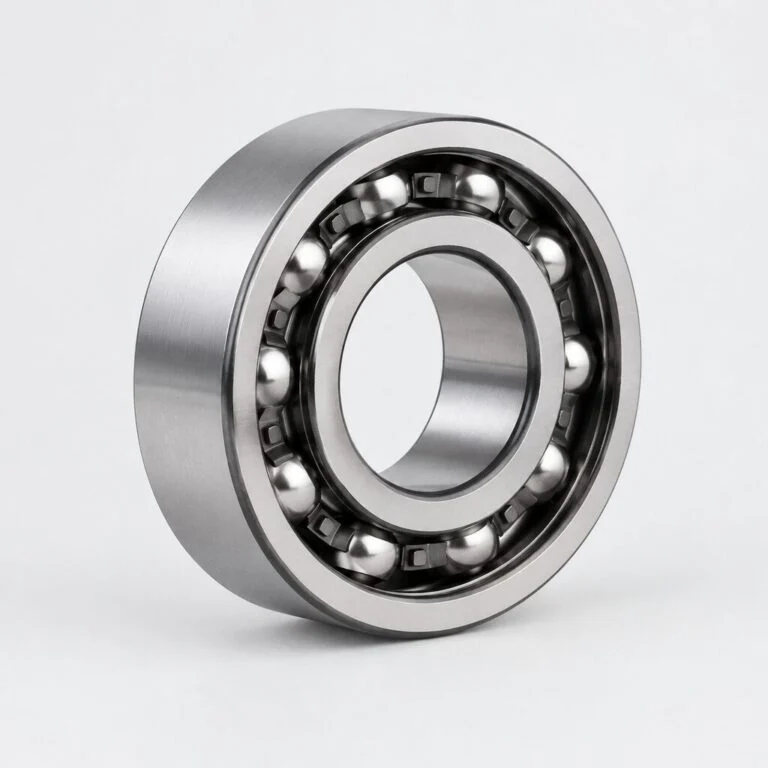 Gearbox & Transmission Rebuild When a gearbox or transmission is rebuilt, every bearing on the input, intermediate and output shafts is replaced together. Shaft positions carry different mixes… View this industry
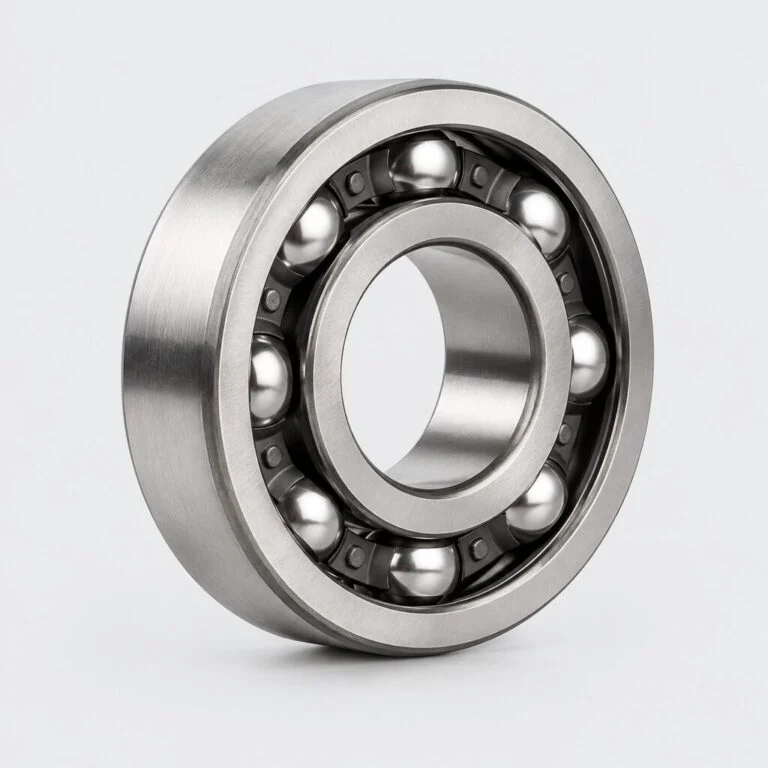 Speed Reducer Manufacturing Speed reducer and gear motor assembly lines use bearings in volume across the gear shafts, the motor end and auxiliary rotating parts. Compact reducers… View this industry
Same Category
Related SKF Bearings
Compare these bearings from the same category when your rebuild covers several shaft positions.
 Angular Contact Bearing Double Row Angular Contact Ball Bearing 3306A-2Z Steel Cage for Industrial Machinery
 Angular Contact Bearing Double Row Angular Contact Ball Bearing 3306 A-2Z Shielded for High Precision Industrial Machinery P0-P6
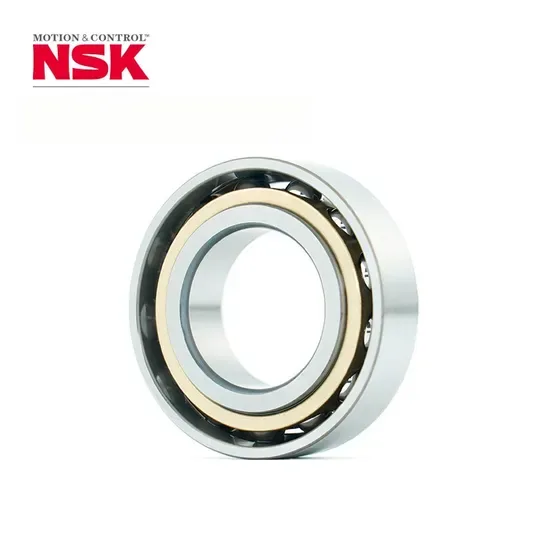 Angular Contact Bearing NSK 7000A5SN24TRSUELP4 Angular Contact Bearing P4 Precision
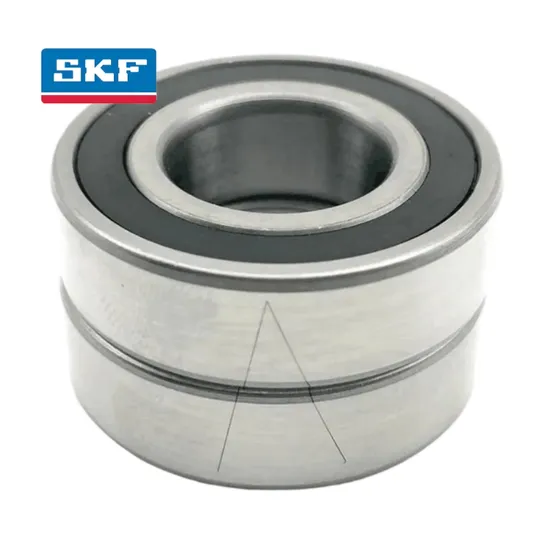 Angular Contact Bearing Double Row Angular Contact Ball Bearing 3305-A TN9 Nylon Cage for Power Transmission
Plan the Whole Gearbox Rebuild in One Enquiry
One enquiry can cover every bearing in the same assembly. For repair scopes, add mounting accessories and related references to the same list.
Send Your Shaft ListSelection Guides
Bearing Selection Articles
These articles support shaft-by-shaft selection for gearbox, reducer and drive shaft work.
Sep 14, 2026 · Applications & Industries Large Marine Gearbox Bearings Wholesale Supplier Prevent premature failures in large marine gearboxes by mastering bearing selection and authenticity verification. Learn why correct internal clearance matters more than load ratings… Sep 14, 2026 · Applications & Industries Genuine Wind Turbine Gearbox Planet Stage Bearings Wholesale Supplier Secure genuine wind turbine gearbox planet stage bearings by prioritizing material traceability over low initial costs to prevent catastrophic offshore failures. Verify authenticity with… 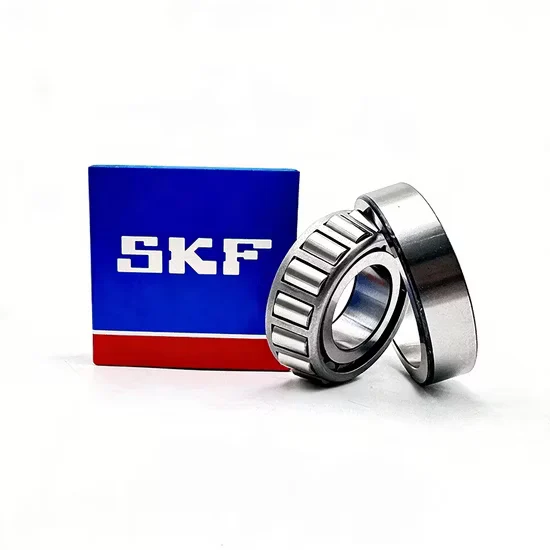 Sep 13, 2026 · Buying Guide Genuine SKF Bearings for Large Gearboxes Wholesale Supplier Source genuine SKF bearings for large gearboxes with strict traceability to prevent costly downtime. Verify authenticity through mill certificates and match series to specific…
FAQ
Common Questions on Buying SKF Gearbox Bearings
You can order a single bearing or a complete rebuild set, with substitutes marked and terms stated in a written quote.
Can I buy a single bearing instead of a full rebuild set?
Yes. You can buy one SKF bearing or put together the full set of parts for a complete gearbox rebuild. Repair scopes can also include mounting accessories and related references.
How do you separate a substitute from the original SKF reference?
Substitutes are listed separately from the original reference. The exact SKF reference and required suffix remain the basis of discussion. Any technical change needs your approval.
What does the written quote include?
The quote states the product model, quantity, price and currency, stock and estimated lead time. It also gives the validity period and any applicable freight or tax terms.
Can I request product documents with my order?
Yes. Name the product documents you need when you request your quote. A wind gearbox customer in the UK, for example, received a measurement report with their SKF bearing set. Shipping documents are confirmed with the transport method and dispatch time.
Request a Written Quote for SKF 3309 a-Nr Double Row Angular Contact Ball Bearing for Automotive Transmission
Drive Shafts Company supplies SKF bearings for gearbox, reducer and drive shaft assemblies to customers worldwide. Send your gearbox model, shaft positions and overhaul scope for a written quote.