

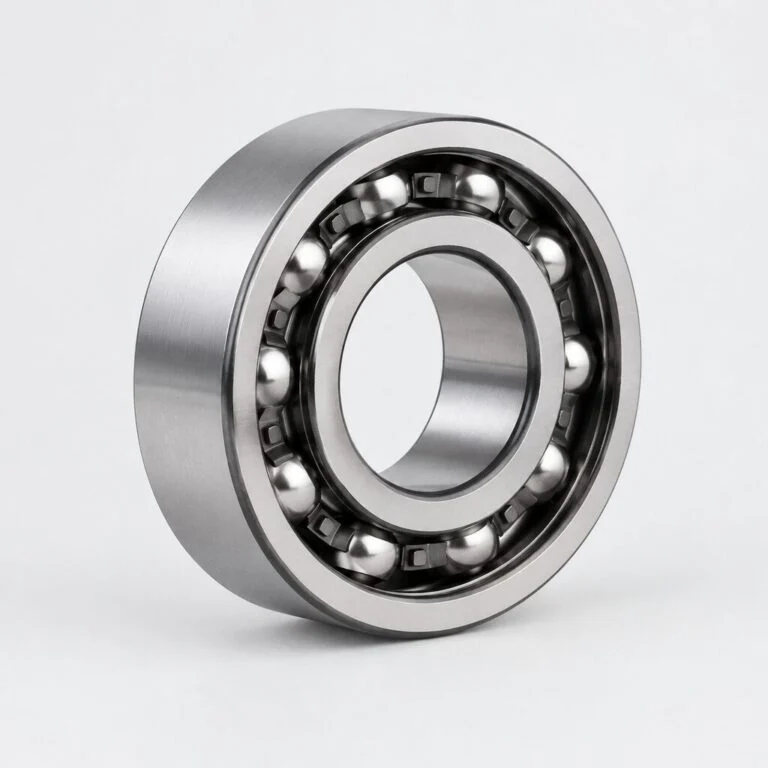
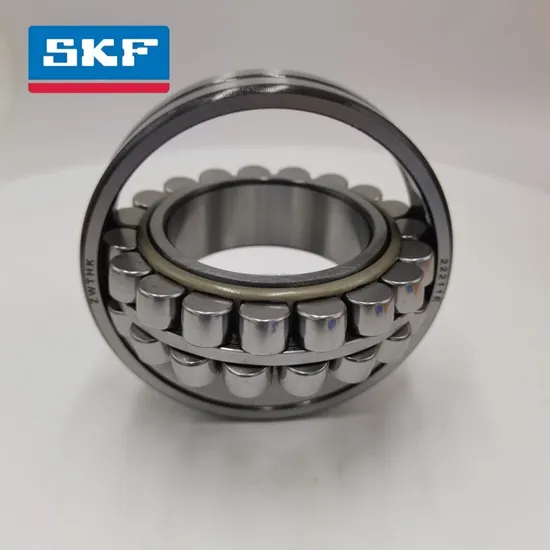
 Sep 15, 2026 · News & Cases Mining Capex 2026: Large Bearing Demand Wholesale Supplier As Mining Capex 2026 drives large bearing demand, procurement must shift from price to condition-matched sourcing to prevent costly downtime. Verify traceability and optimize…
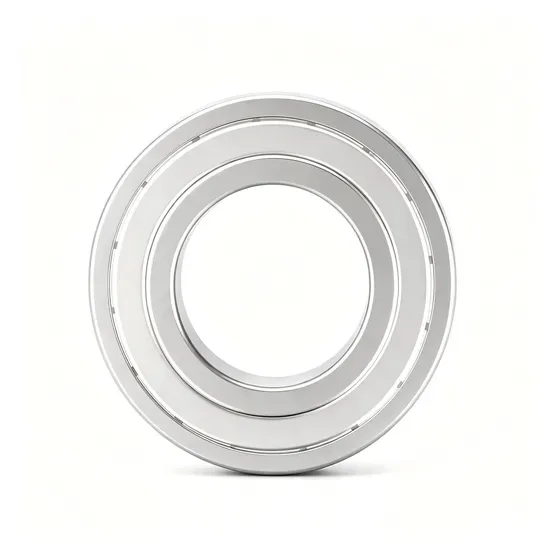
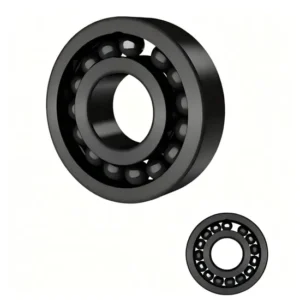
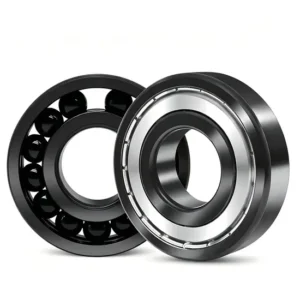
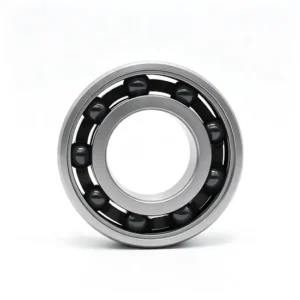
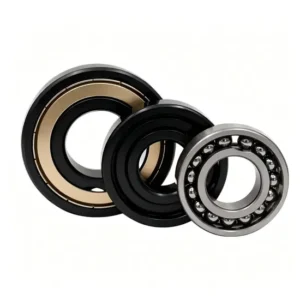
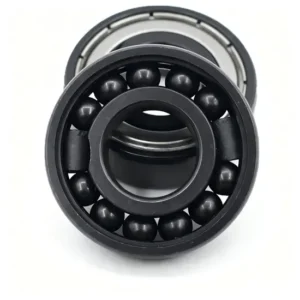
Ceramic Bearing
450C High Temp Ceramic Bearing P4/P5 Vacuum
450C Bearing High Temperature Bearing — ceramic construction with P4/P5 precision class for vacuum coating and semiconductor equipment.
- Operates reliably up to 800℃ while maintaining dimensional stability in high vacuum environments where outgassing and particle generation must be minimized
- Precision class P4/P5 ensures tight running accuracy for semiconductor spindle and deposition system applications
- Full material certification and dimensional inspection reports provided with every shipment to support import compliance and quality verification
- Suffix and executionExact SKF reference and required suffix confirmed.
- Substitutes markedListed separately. Technical changes need your approval.
- Written quotePrice, stock, lead time, validity and terms in writing.
- Whole-rebuild scopeOne enquiry can cover several bearings in one assembly.
Product Details
About 450C High Temp Ceramic Bearing P4/P5 Vacuum
Authorized Sourcing Channels — traceable procurement documentation accompanies every ceramic bearing shipment for vacuum-compatible equipment verification.
Technical Specifications
| Value | |
|---|---|
| Designation | 450C Bearing High Temperature Bearing |
| High Temperature Ceramic Bearing | |
| Ceramic | |
| Operating Temperature Range | Up to 800℃ |
| Vacuum Level | High Vacuum Compatible |
| P4/P5 | |
| Semiconductor Equipment / Vacuum Coating Equipment |
The suffix "450C" appears in the product title but is not a standardized bearing designation suffix; confirm exact temperature rating and configuration details against the manufacturer catalog before finalizing specifications.
Application Suitability
| Semiconductor Manufacturing | Wafer handling robot arm joints, CVD chamber spindle supports |
| Vacuum Coating Equipment | Evaporation source rotation mechanisms, sputtering target drive shafts |
| High-Temperature Industrial Processes | Furnace roller bearings, heat treatment fixture pivots |
What Happens When a 800℃ Ceramic Bearing Fails Inside a Vacuum Chamber
Material verification and precision matching determine whether semiconductor equipment survives its first thermal cycle.
In vacuum coating environments, bearing failures do not announce themselves with noise or vibration warnings. Outgassing from degraded lubricants contaminates thin films, particle generation from cage wear ruins batch yields, and thermal expansion mismatches cause spindle seizure mid-deposition. A single failed bearing inside a PVD chamber often means scrapping an entire production run, venting the system, and scheduling unplanned maintenance that delays downstream deliveries by weeks.
I have seen procurement teams match bearings by basic designation alone, assuming ceramic construction automatically covers extreme thermal demands. That assumption overlooks whether the specific ceramic formulation maintains structural integrity at the target temperature, whether the precision class suits the spindle application, and whether the vacuum compatibility rating prevents outgassing at operating pressure.
Matching Bearing Properties to Vacuum Deposition Demands
Vacuum coating spindles require bearings that maintain dimensional stability across repeated thermal cycles while generating minimal particulate contamination. This High Temperature Ceramic Bearing 450°C DLC Coating Vacuum Coating Equipment solution addresses those demands through ceramic material selection and high vacuum compatible design. The P4/P5 precision class provides the running accuracy needed for uniform film deposition, where even minor radial runout creates thickness variations across the substrate.
When we supported a thin-film equipment manufacturer struggling with premature bearing failures in their evaporation source drives, the root cause was not load or speed — it was outgassing from incompatible materials at elevated temperatures. Switching to verified ceramic construction with appropriate vacuum ratings eliminated the contamination issue entirely.
Thermal Cycling, Load Patterns, and Vacuum Integrity
Ceramic bearings in vacuum coating equipment experience combined thermal and mechanical stress that standard steel bearings cannot accommodate. During deposition cycles, temperatures rise rapidly while the bearing must maintain precise rotational control under moderate radial and light axial loads. Thermal expansion differentials between the bearing, housing, and shaft demand clearance specifications that account for operating temperature rather than ambient conditions.
Lubrication presents a particular challenge in vacuum environments. Conventional greases vaporize and contaminate the process chamber, while solid lubricants or dry-film coatings must maintain low friction coefficients without generating particles. The vacuum compatibility requirement means every material component — races, rolling elements, cage, and any surface treatments — must meet strict outgassing limits. Installation practices also differ from standard industrial applications, as cleanroom protocols and particulate control requirements govern how bearings are handled and mounted.
Understanding the Specification Package
The ceramic material foundation provides inherent advantages for high-temperature operation, including lower thermal expansion coefficients compared to bearing steel and natural resistance to thermal degradation. At temperatures where standard steel bearings would experience rapid lubricant breakdown and dimensional instability, ceramic construction maintains structural integrity and surface finish quality.
The P4/P5 precision class designation indicates tight control over dimensional tolerances and running accuracy. For semiconductor equipment spindles, this precision level supports the uniform rotation needed for consistent film thickness during deposition processes. The high vacuum compatible design encompasses material selection and manufacturing processes that minimize volatile compounds capable of outgassing under vacuum conditions.
DLC coating on bearing surfaces enhances hardness and reduces friction, contributing to extended service life in applications where re-lubrication is impossible and replacement requires significant equipment downtime.
The Price of Specification Shortcuts in Vacuum Environments
Correct material selection and verified precision specifications prevent catastrophic failures that extend far beyond bearing replacement costs. When a bearing fails inside a sealed vacuum chamber, the consequences include contaminated process chambers requiring extensive cleaning, scrapped production batches representing significant material and time investment, and delayed equipment availability that impacts customer delivery commitments.
Using bearings with unverified material origins or imprecise tolerances in high-temperature vacuum applications risks premature failure modes classified under ISO 15243, including surface distress from inadequate lubrication, material fatigue from thermal cycling stress, and catastrophic seizure from clearance mismatches. These failures void equipment warranties and damage supplier relationships in industries where reputation determines future contract eligibility.
How We Support High-Value Bearing Procurement
Our sourcing approach emphasizes authorized channel procurement with complete documentation trails, essential for high-value ceramic bearings destined for critical semiconductor applications. Every shipment includes batch traceability documentation linking the bearing to its production lot and material certification.
For procurement engineers evaluating alternatives or verifying OEM replacements, our cross-reference capability examines precision class, material specifications, and vacuum compatibility ratings rather than relying on basic designation matching alone. We provide authenticity verification guidance including QR code verification pathways through manufacturer applications, helping buyers confirm genuine product origins before installation.
Country-of-origin documentation supports import compliance requirements across different jurisdictions, while material certificates and dimensional inspection reports provide technical verification for quality assurance teams. This documentation package travels with every bearing shipment, arriving before or alongside the physical product.
Documentation & Authenticity
- Certificate of Conformity from authorized distributor channels with batch number linking to production records
- Material certification verifying ceramic composition and vacuum-compatible processing history
- Dimensional inspection report confirming P4/P5 precision class running accuracy and bore tolerances
- Country-of-origin documentation supporting import clearance and customs compliance
- QR code verification pathway enabling authenticity confirmation via manufacturer applications
- HS code classification guidance for international shipping documentation
Storage, Handling & Mounting
- Maintain vacuum-sealed original packaging until cleanroom installation to prevent surface contamination on this ceramic bearing
- Handle with powder-free cleanroom gloves to avoid transferring skin oils that could outgas during vacuum operation
- Verify P4/P5 precision runout measurements after unpacking but before mounting to confirm no shipping damage
- Follow manufacturer-specified mounting procedures for ceramic materials, avoiding impact loads that could cause subsurface fractures
- Document batch numbers from packaging against received bearings for complete traceability in regulated semiconductor environments
Requesting Technical Verification and Quotation
Share your operating parameters including target vacuum level, maximum process temperature, load conditions, and required precision specifications so we can verify this High Temperature Ceramic Bearing 450°C DLC Coating Vacuum Coating Equipment matches your application demands. Provide OEM equipment numbers for cross-reference confirmation against existing installations, or request the complete documentation package to evaluate material certifications and dimensional reports before committing to a purchase order.
Preguntas Frecuentes
Q: How can I verify that ceramic bearings are genuine and not counterfeit products?
A: Authentic ceramic bearings include traceable batch documentation, QR codes linking to manufacturer verification systems, and material certificates detailing ceramic composition. We source through authorized distributor channels and provide authenticity verification guidance including official app verification pathways.
Q: Should I specify P4 or P5 precision for semiconductor vacuum equipment?
A: Selection depends on your specific spindle requirements for radial runout and rotational accuracy during deposition processes. P4 provides tighter tolerances suitable for applications demanding maximum film thickness uniformity, while P5 may suffice for less critical positioning tasks. Share your equipment specifications for application-based guidance.
Q: What temperature limits apply to ceramic bearings versus standard steel bearings?
A: Ceramic materials maintain structural integrity at significantly higher temperatures than bearing steel, with this product rated for operation up to 800℃. Standard steel bearings typically face lubricant degradation and thermal expansion issues at much lower temperatures. Confirm your specific operating profile against manufacturer ratings.
Q: What vacuum compatibility considerations affect bearing selection?
A: Outgassing rates and particle generation potential determine whether bearings suit vacuum environments. High vacuum compatible designs use materials and processes that minimize volatile compound release under vacuum conditions, preventing contamination of sensitive deposition processes.
Q: What documentation accompanies high-value ceramic bearing purchases?
A: Our shipments include Certificates of Conformity, material certificates, dimensional inspection reports, batch traceability records, country-of-origin documentation, and QR code verification pathways for authenticity confirmation.
Secure Your Vacuum Equipment Bearing Supply
Submit your application parameters and equipment specifications to begin the technical verification process.
Contact: [Authorized Distributor Channel Inquiry]
Shaft positions to confirm
Input · Intermediate · Output
Pre-Quote Check
Three Points to Confirm for Your Rebuild
Shaft position, paired or set use, and the complete assembly decide whether a bearing fits the rebuild. Confirm all three to get the right execution the first time.
-
Shaft position
Mark each bearing as input, intermediate or output shaft, so the load requirement of every position is clear.
-
Paired or set use
State whether the bearing runs paired or in a set, and give the full reference with its suffix.
-
Complete assembly
Confirm whether you need the complete assembly, and include other parts planned for the rebuild, not only the failed bearing.
"What we value is that they understand gearbox bearing arrangements. They asked about the floating and locating bearing positions before confirming the SKF references. On one order, they flagged that a bearing was at the load limit and suggested a heavier series. That prevented a repeat failure."
Where It Is Used
Target Industries
This bearing serves the repair, assembly and overhaul work listed below. Open an industry to see the related SKF product lines.
Same Category
Related SKF Bearings
Compare these bearings from the same category when your rebuild covers several shaft positions.
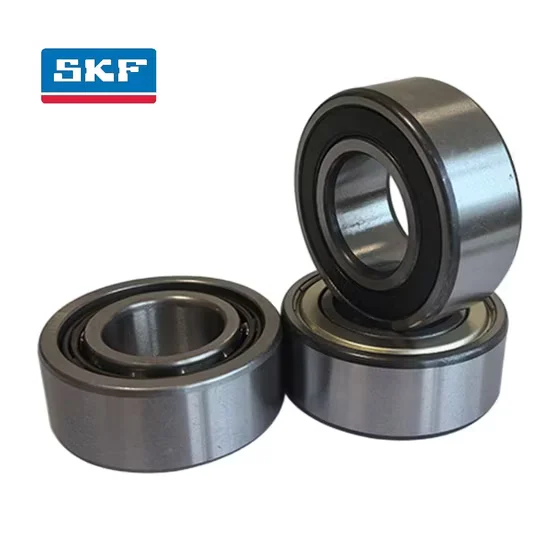 Angular Contact Ball Bearings Genuine SKF 3204 a-2rsh/Mt33 Double Row Angular Contact Ball Bearing Low Noise
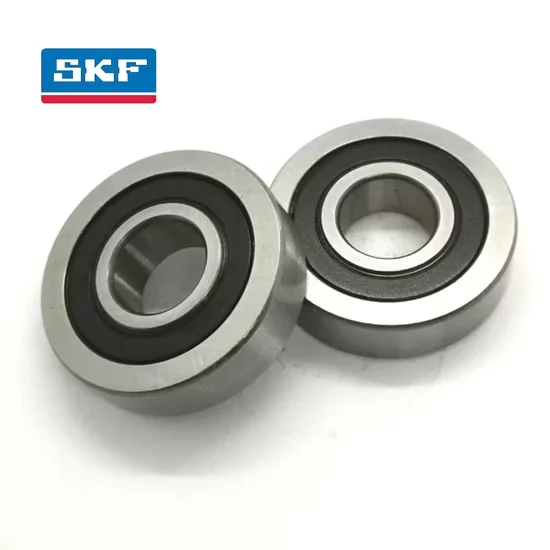 Angular Contact Ball Bearings SKF 3212-a Double Row Angular Contact Ball Bearing for CNC Machine Tool
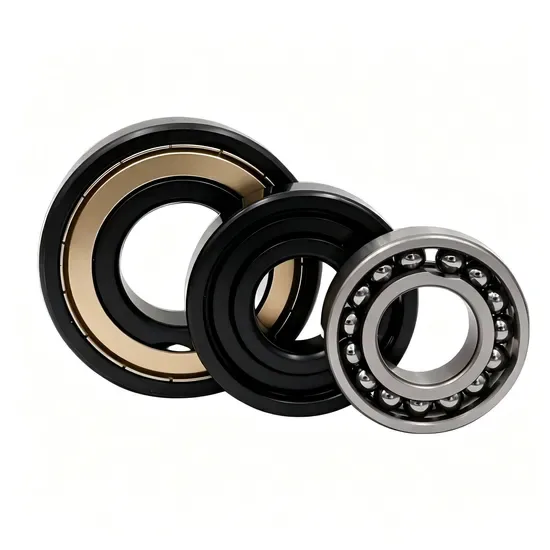 Slider Bearing 385C Ceramic Slide Bearing 800℃ High Temp for Chemical Pump Valve
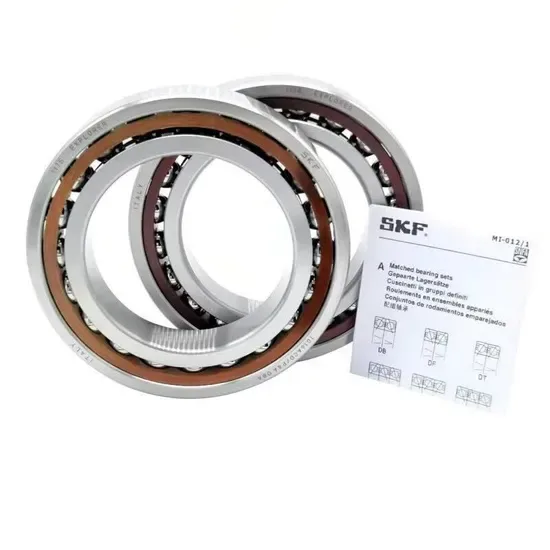 Angular Contact Bearing SKF 7014 CD/P4ATBTB Angular Contact Ball Bearing P4A
Plan the Whole Gearbox Rebuild in One Enquiry
One enquiry can cover every bearing in the same assembly. For repair scopes, add mounting accessories and related references to the same list.
Send Your Shaft ListSelection Guides
Bearing Selection Articles
These articles support shaft-by-shaft selection for gearbox, reducer and drive shaft work.
Sep 15, 2026 · News & Cases Mining Capex 2026: Large Bearing Demand Wholesale Supplier As Mining Capex 2026 drives large bearing demand, procurement must shift from price to condition-matched sourcing to prevent costly downtime. Verify traceability and optimize… Sep 15, 2026 · Technical Resources Large Bearing Weight Table for Lifting Plans Wholesale Supplier Build a precise large bearing weight table for lifting plans by using gross weight instead of catalog net weight. Include heavy packaging and rigging… Sep 15, 2026 · Installation & Maintenance Thermal Cracks in Large Bearings: Genuine Wholesale Supplier Thermal cracks in large bearings often stem from uncontrolled hot mounting temperatures rather than operational overload. Prevent these failures by strictly adhering to thermal… FAQ
Common Questions on Buying SKF Gearbox Bearings
You can order a single bearing or a complete rebuild set, with substitutes marked and terms stated in a written quote.
Can I buy a single bearing instead of a full rebuild set?
Yes. You can buy one SKF bearing or put together the full set of parts for a complete gearbox rebuild. Repair scopes can also include mounting accessories and related references.
How do you separate a substitute from the original SKF reference?
Substitutes are listed separately from the original reference. The exact SKF reference and required suffix remain the basis of discussion. Any technical change needs your approval.
What does the written quote include?
The quote states the product model, quantity, price and currency, stock and estimated lead time. It also gives the validity period and any applicable freight or tax terms.
Can I request product documents with my order?
Yes. Name the product documents you need when you request your quote. A wind gearbox customer in the UK, for example, received a measurement report with their SKF bearing set. Shipping documents are confirmed with the transport method and dispatch time.
Request a Written Quote for 450C High Temp Ceramic Bearing P4/P5 Vacuum
Drive Shafts Company supplies SKF bearings for gearbox, reducer and drive shaft assemblies to customers worldwide. Send your gearbox model, shaft positions and overhaul scope for a written quote.